Live tracking starts:
Join me on Route 66!
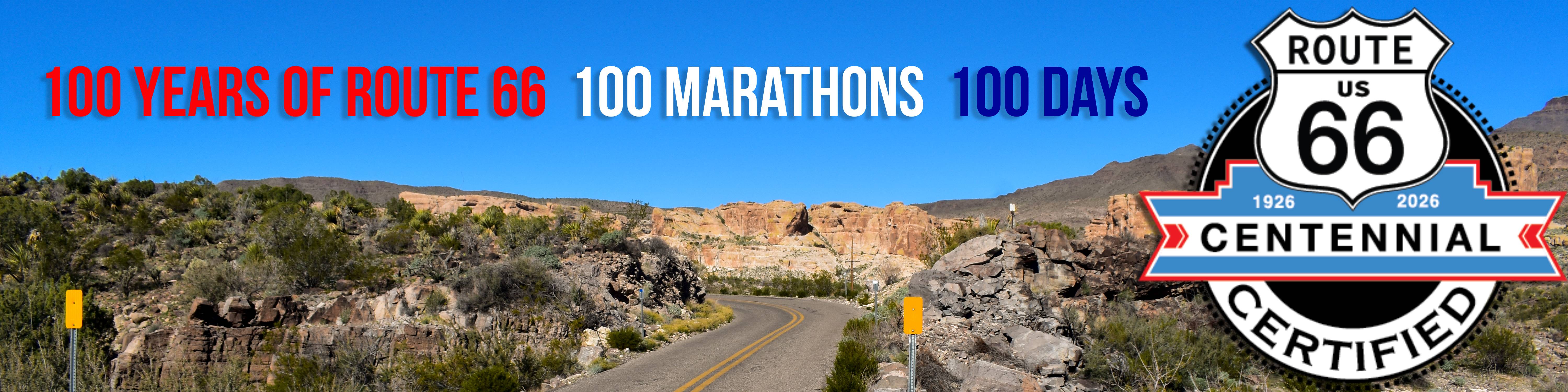
Join me in celebrating a special moment in ultramarathon history along the fabled roads of Route 66! This fall I will run over 2400 miles from Navy Pier in Chicago to Santa Monica Pier in L.A. to commemorate the 1928 Bunion Derby - a grueling race across America that took place on the original dirt roads of Route 66. The story of the Bunion Derby teaches us that the roots of ultramarathon running are older and more diverse than most of us realize. This snapshot in time, on the 100th anniversary of Route 66, is a unique opportunity to be a part of history and look back on the century of change that has shaped our nation and our sport. Join me in linking the communities along America's Mother Road to commemorate this once-in-a-century moment. I'd love it if you would run, bike, or walk with me, for one mile or many, on this celebratory journey from Chicago to L.A. I'll leave from Navy Pier on the morning of August 4, 2026, exactly 100 days before the centennial of Route 66's signing on November 11. Runners of all ability levels are welcome to share in the adventure via scheduled group runs from major cities along the road. I'll also have a live tracker updating my location to this page while I'm on the move - my run roughly averages out to a marathon (26 miles) per day, at a pace of around 9-12 minutes per mile, but my exact daily distance will vary based on lodging and resupply opportunities, weather, and how much my feet hurt. You can contact me here or reach out via Instagram. Feel free to join a group run or track me down at any point between August and November. If you are interested in participating in the Bunion Derby Commemorative Run, please take 30 seconds to help me gauge involvement via this survey. I hope to see you on the Mother Road!
Live tracking starts:
Remembering the Bunion Derby
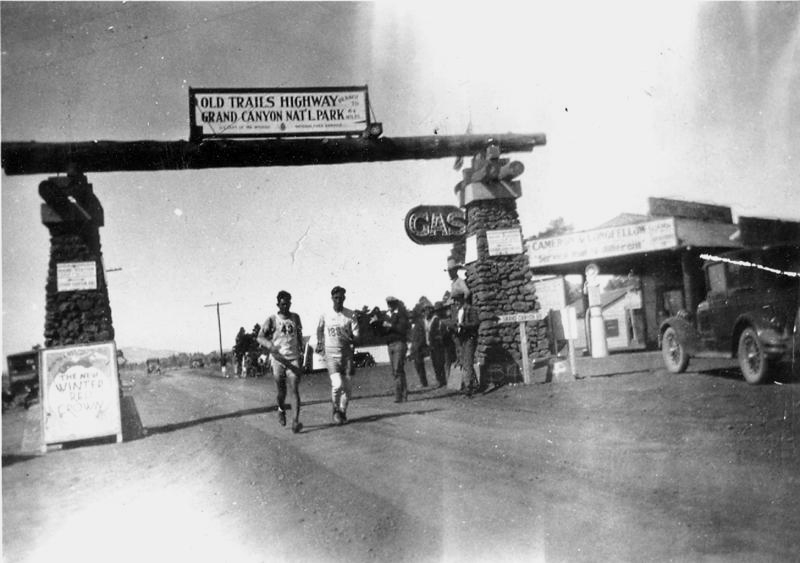
For the curious ultramarathoner, there is a historic reason to run the length of Route 66: the Bunion Derby. In 1928, fewer than two years after the route was signed into being, 199 men from all over the world lined up in Los Angeles to race across the United States for a $25,000 cash prize - nearly half a million in 2026 dollars. The derby traced the original Route 66 (the official highway was redrawn many times between 1930 and 1980) until Chicago, at which point the runners and their traveling circus beelined toward New York. Many of the racers were not professional athletes, let alone runners, yet nevertheless managed to average between 30 and 50 miles per day, every day, sometimes in apocalyptic conditions. Most modern ultramarathon runners, myself included, tend to think of the 1963 JFK 50 or the 1977 Western States 100 as the genesis of our sport, but in truth its roots are much older and more diverse than this. The Bunion Derby Commemorative Run is an opportunity to retrace the steps of Bunion Derby racers and honor their journey across prohibition-era America.
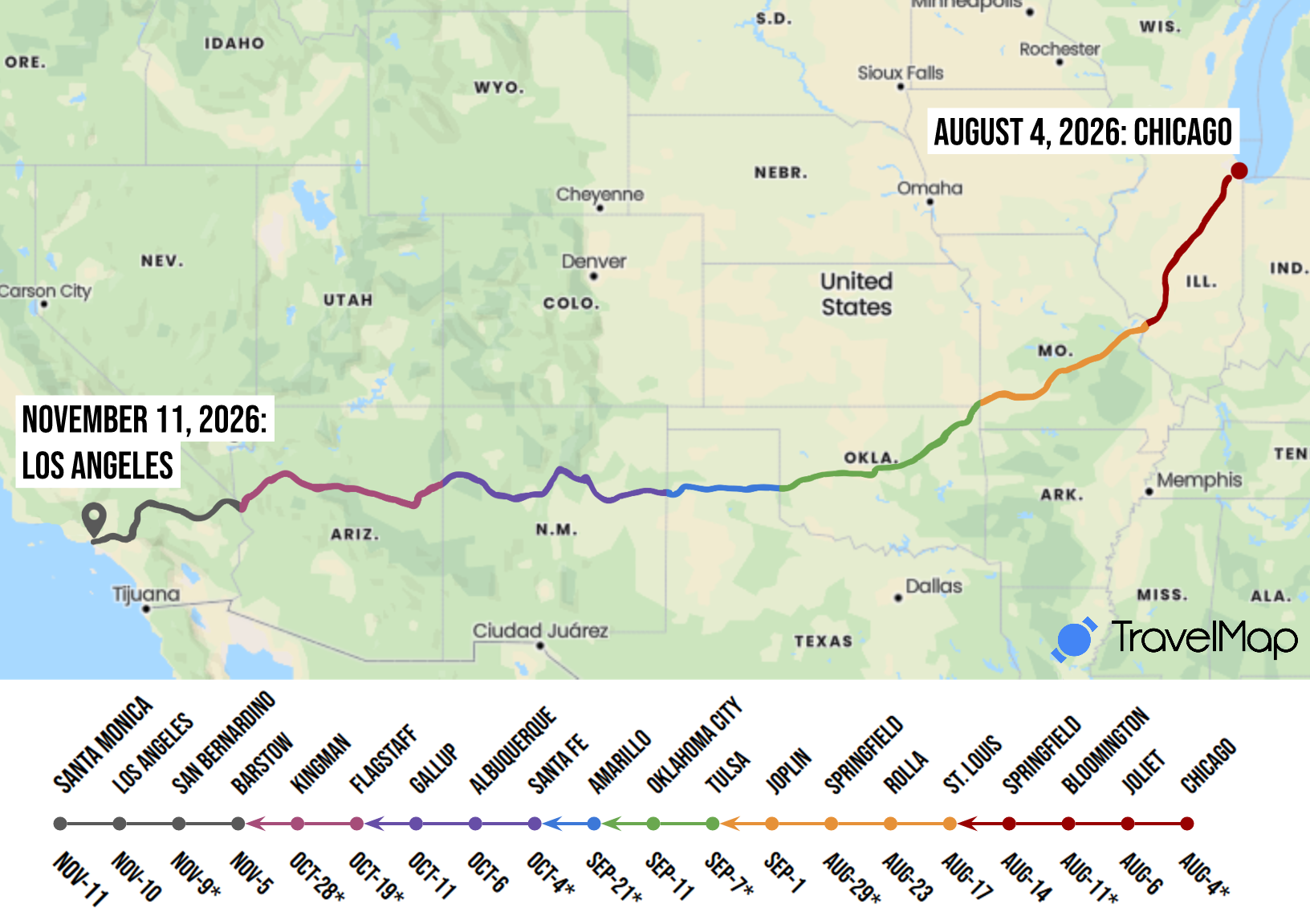
The Route
Untangling a modern trace of Route 66 is not straightforward - no single continuous highway ever existed, and the official signage
changed many times between 1926 and 1985. In many places old Route 66 has been paved over by interstate (especially I-40), purchased by private
landowners, fenced off to make military bases, or eroded by nature. My journey aims to follow original routing as closely as possible
while staying on legal roads and adjusting for safe traffic conditions (for many remote sections, this means running on frontage roads rather than interstate highways).
There is a well-established cycling route for Route 66 through Illinois, Missouri, Oklahoma, and California, which I plan to follow for much of the journey.
Like many transcontinental runners, I'll run mostly self-supported and use a jogging stroller to mule food and water. Thus, by virtue of traveling on foot,
I am also able to explore some rougher historic roads that the cycling route avoids.
You can find my full route in this
Komoot collection.
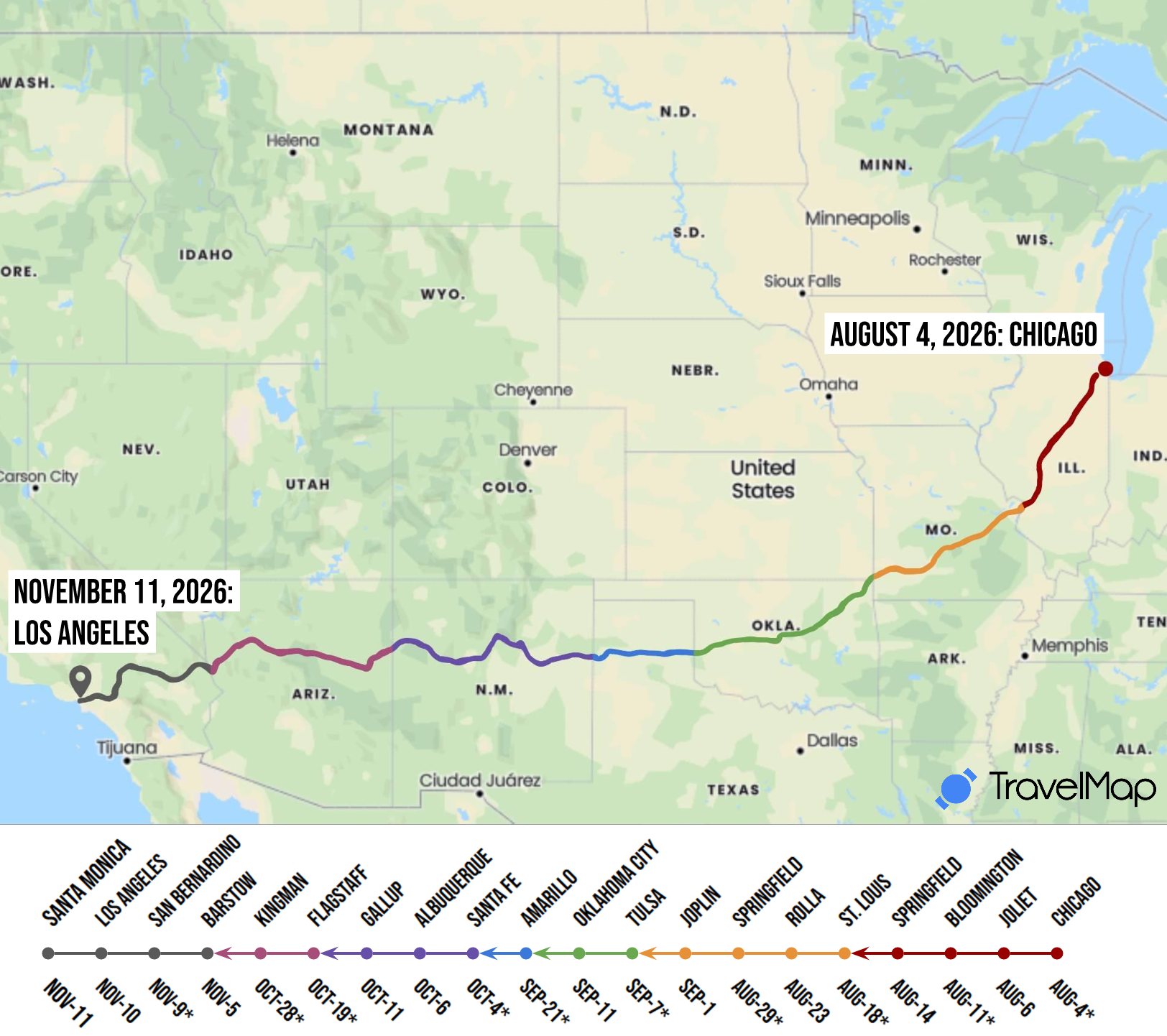
Please note that the timeline graphic indicates scheduled departure dates from each major city, and asterisks denote a built-in day off from
running prior to departure. For example, I anticipate leaving from Flagstaff on the morning of Monday October 19, and I will have an
off day in town on Sunday the 18th. If you have any questions about the timeline, feel free to
reach out and I
will get back to you as soon as possible.
I may update the route between now and the start of the journey.
America by Foot
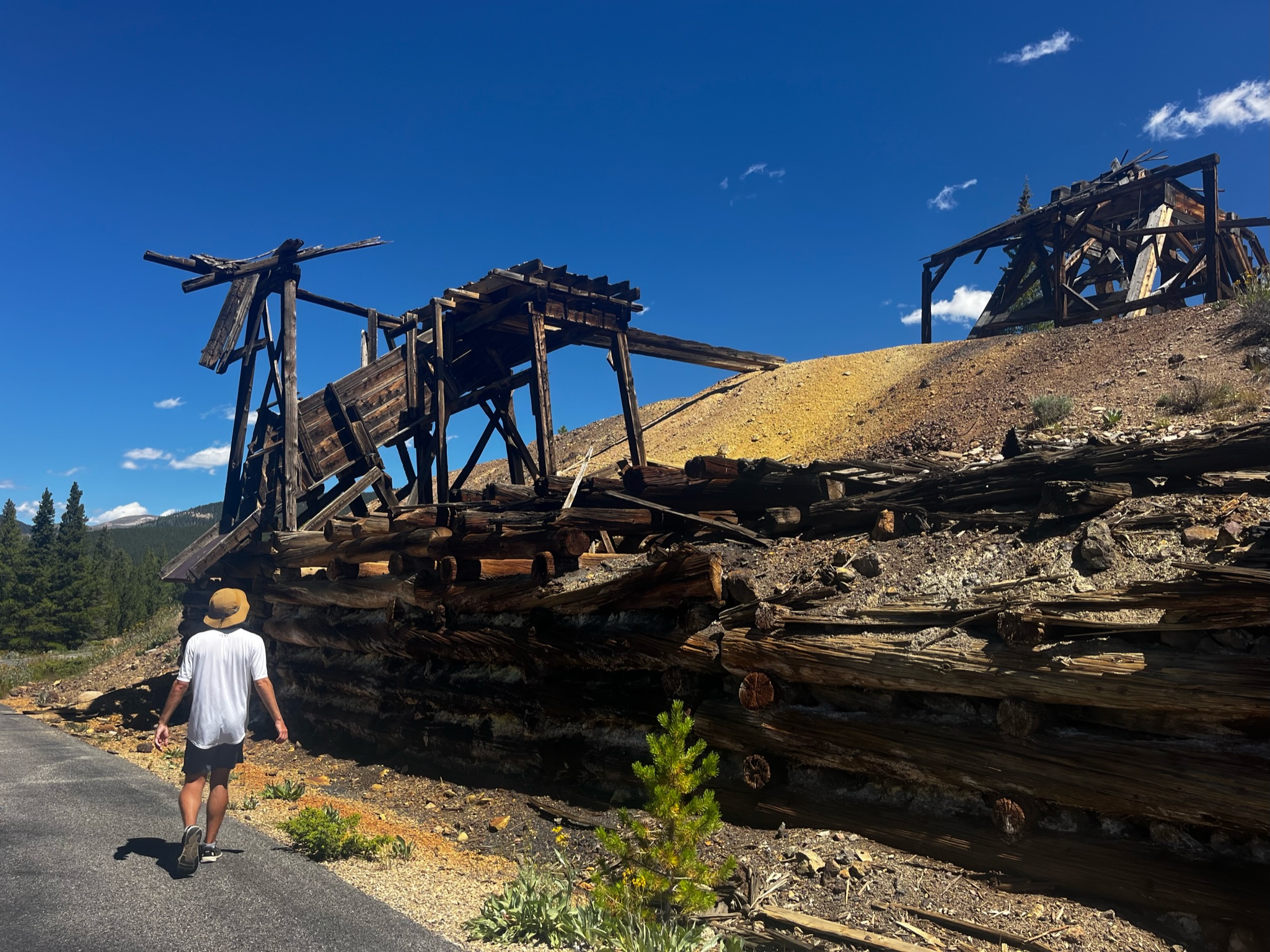
If my previous ultra-distance projects have taught me anything, it's that running is the most intimate way to travel a landscape. I am drawn to the intensity and vulnerability that go hand-in-hand with self-supported long-distance running; when the effort of movement strips you raw, every pebble underfoot registers vividly in your brain, and every human interaction becomes a core memory. It's not a runner's high - rather, it's the purity of experience that comes from leaving part of yourself out on the trail.
A Cultural Snapshot - The Route 66 Centennial
At its core, running Route 66 is about choosing to slow down. From pre-Colonial footpaths to the wagon tracks of the Oregon Trail, people have been traversing America for millennia. In 1926, the unpaved dirt roads of newborn Route 66 signaled a seismic change in human travel, and the birth of a uniquely American obsession with the automobile. In the heyday of the cultural Main Street of America, as Route 66 has been lovingly dubbed, the car was a physical embodiment of Manifest Destiny, a symbol of postwar excess, and a metaphor for freedom itself - capitalism at its finest. No single narrative better explains modern-day America than the history of Route 66. And yet, in three generations, this tarmac artery has all but dried up. By the time Route 66 was decommissioned in 1985, interstates had already paved over many single-lane highways. Today ghost towns line the old road, visited only by bikepackers and misty-eyed motorists, and a flight from Chicago to Los Angeles takes fewer than five hours. The Bunion Derby Commemorative Run invites you to join part of the historic journey under human power, to recognize the rich history of culture and change that Route 66 represents and foster a discussion about the future.
Supporting Partners


Community Partners